
"coffee bean planting"
40000 article(s) found

Planting High altitude Coffee density-- introduction to the requirements of planting Environment for planting Coffee
Planting high altitude coffee density-requirements for planting environment for growing coffee introduction 3000-6000 feet high altitude (about 1000 meters to 2000 meters) provides ideal growth conditions for coffee: an average frost-free climate of 60-70 degrees Fahrenheit throughout the year, about 80 inches of moderate rainfall, plus abundant sunshine. Coffee beans grow slowly in cold mountain areas, but the slow ripening process makes coffee

Recommendation of single Coffee Bean | Marda Peak Micro batch of Punjia processing Plant in Burundi
Professional coffee knowledge exchange more coffee bean information please follow the coffee workshop (Wechat official account cafe_style) individual coffee bean recommendation-Sun Red Cherry washing Flower Butterfly Burundian Parnour processing Plant 1750m Marda Peak Micro batch Burundi Kayanza Kabuye SEGEC Mpanga Mardadi 1750m Bootstrap Media Preview Flavor description

What is the altitude above which coffee beans are planted?-Coffee bean planting conditions
Coffee beans are planted above sea level-coffee bean planting conditions the origin of coffee trees is Ethiopia in Africa. In botany, coffee trees belong to the evergreen trees of the subgenus Rubiaceae, and coffee beans, commonly known as coffee beans, are the seeds of the fruit of coffee trees, just because they are shaped like beans, so they are called coffee beans. Climate is the decisive factor in coffee cultivation.

Where can coffee trees be planted in China-the types and origin of coffee beans
Where can coffee trees be planted in China-the types of coffee beans and the time of planting should be from June to July after the beginning of the rainy season. If the planting day is cloudy or light rainy, it can be planted all day. If the planting day is sunny, it should be planted before 11:00 and after 04:30 in the afternoon. Seedlings should choose 5 pairs of true leaves, with a height of more than 0.15 meters, and strong seedlings without branches. The row spacing of planting plants is 1 meter.

Rwandan coffee| Montserrat Hamusieux& Process Plant Collaboration Lot| Coffee beans recommended
Professional coffee knowledge exchange More coffee bean information Please pay attention to coffee workshop (Weixin Official Accounts cafe_style) Rwanda coffee Western Province Monshekhamusiui processing plant cooperation batch sun bourbon seed hand-brewed coffee beans recommended Rwanda West Province Mashesha CWS Bourbon Natural Country: Rwanda Production area: West Prov Province

Yunnan Coffee planting Yunnan Coffee beans Yunnan small Coffee Chinese Coffee
Yunnan Coffee in China was planted on a large scale in the mid-1950s, with a planting scale of 4000 hectares. By the end of 1997, the planting area of coffee in the province had reached 7800 hectares. At present, the planting area of the province accounts for 70% of the national area, and the output accounts for 83% of the whole country. Yunnan coffee has established the dominant position in China in terms of planting area and coffee bean production. Cloud

Rwanda boutique coffee beans in the western province of Monseha and Musui processing plants work together to batch sunburn bourbon
Professional coffee knowledge exchange more coffee bean information please follow the coffee workshop (Wechat official account cafe_style) Rwanda boutique coffee beans in the western province of Monseha and Mushoi processing plants in the sun bourbon flavor and taste characteristics? Monseh Hamuyi processing plant in the western province of Rwanda cooperated with batches of sunburn bourbon species Rwanda West Province Mashesha CWS Bo
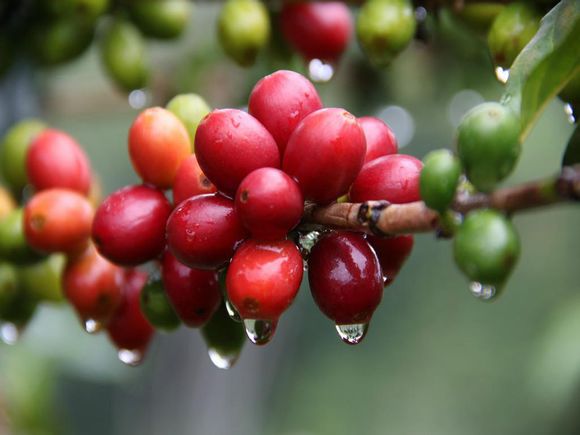
Coffee bean seed price how much coffee bean planting coffee bean price seed coffee raw bean sun plus snow
Coffee seeds cannot be grown directly with coffee fruits picked from coffee trees. Peeling coffee fruits is like planting peanuts. If you plant a peanut with a shell in the soil, it cannot sprout. You must plant peanuts. It is the same with medium coffee. If you have coffee fruit in your hand, you can first bask it in the sun and shake it until it is shaken inside.

Kenya AA GALUYU treatment Plant (hard Rock) Water washing Plant AA Bean treatment Plant background and History
Professional coffee knowledge exchange more coffee bean information please follow the coffee workshop (Wechat official account cafe_style) Kenya AA GALUYU processing plant (hard stone) water washing plant AA bean processing plant Beijing background and history? Kenya is a model country for producing fine coffee beans. Coffee was introduced from Britain in 1900, and only the traditional Arabica did not have its current status until 1950.

Honduras Manor Coffee beans Tropical Rain Forest certified flavor of washed beans from SHG St. Vincent treatment Plant
Professional coffee knowledge exchange more coffee bean information please follow the coffee workshop (Wechat official account cafe_style) Honduran manor coffee beans tropical rain forest certified SHG St. Vincent processing plant Honduran water washed beans flavor and taste characteristics? Production area: Santa Barbara province (Santa Barbara) Pena Blanca town processing plant: St. Vincent processing plant (Beneficio)
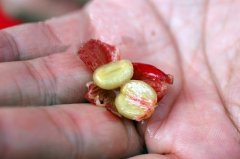
Coffee Bean Planting Coffee Bean Seeds Coffee Green Bean Indonesia Bali Kalana Quinta Mani Fire
Coffee seeds can not be directly picked from the coffee tree coffee fruit, to the coffee fruit shell, just like planting peanuts, if you put a peanut shell into the soil, it is not germinating, must be planted peanuts, coffee is the same, if you have coffee fruit, you can put it in the sun, has been shaken up inside will

Flavor of washed beans from Yichi Water washing Plant, Mama treatment Plant, TOP Riosaya Cooperative, Kenya.
Professional coffee knowledge exchange more coffee bean information please follow the coffee workshop (Wechat official account cafe_style) Kenya AA level TOP Osama cooperative Ma Ma processing plant Yichi washed beans flavor and taste characteristics? National Kenya (Kenya) production area Karima village (Karima Village), Kali (Neyri) processing plant: Ichamma (Ichamam)

What is the planting history of Kenya AA Matilakali treatment plant? Flavor and taste characteristics?
Professional coffee knowledge exchange more coffee bean information please follow the coffee workshop (Wechat official account cafe_style) Kenya AA Matirakali processing plant what is the planting history? Flavor and taste characteristics? Kenya is a model country for producing fine coffee beans. Coffee was introduced from Britain in 1900, and only the traditional Arabica did not have the best coffee tree species in Kenya until 1950.

Uganda coffee beans processing Uganda sun coffee flavor characteristics processing plant introduction
Professional coffee knowledge exchange More coffee bean information Please pay attention to coffee workshop (Weixin Official Accounts cafe_style) Qianjie-Uganda Mary sweet processing plant Special sun micro-batch Uganda Mary sweet processing plant Special sun micro-batch Uganda KAWACOM MALIBA NATURAL DRIED COFFEE Origin: Mt.Rwensori Region, Kasese, Uganda Bean seed: SL14S

Guma Village / Guma treatment Plant, Qilin Yaga Town, Kenya, TOP AB grade water washed bean flavor and mouth
Professional coffee knowledge exchange more coffee bean information please follow the coffee workshop (Wechat official account cafe_style) Kilin Yajia Town, Kenya Guma Village / Guma processing Plant TOP AB grade waterwashed bean flavor and taste characteristics? September 2017 Coffee Review 95 batches our factory PB batches, November 2016 coffee review 97 points, 2016 coffee revie

Costa Rica San Roman Coffee Bean planting area introduction Flavor description planting History
Professional baristas Please follow the Coffee Workshop (Wechat official account cafe_style) most of the best coffee in Costa Rica seems to come from small processing plants in several major coffee producing areas, including Tarazhu and the Western Valley. This so-called coffee revolution originated 15 years ago and has greatly changed the way bean baking experts and importers think about Costa Rican coffee. Take the treatment plant as

Introduction to the planting technology of coffee the planting conditions and distribution of coffee
Coffee planting conditions and distribution 1. What is coffee? Coffee (Coffee) is derived from the Latin word Coffea (biological word name) and belongs to a member of the Rubiaceae family. These plants are all woody plants, most of which are distributed in the tropics, with more than 500 classifications and about 6000 varieties. Most of the Coffea plants are tropical 5-6 meters high.

What is the flavor and planting history of bourbon species in the central valley of Costa Rican boutique manor coffee beans?
Professional coffee knowledge exchange more coffee bean information please follow the coffee workshop (Wechat official account cafe_style) Costa Rican boutique manor coffee beans central valley bourbon species flavor and planting history? Finca Brumas del Zurqui Manor has its own family-type raw bean processing plant.

Honduras boutique Coffee Manor Bean Saint Vincent processing Plant Crystal Manor Cass seed washing Bean Wind
Professional coffee knowledge exchange more coffee bean information please follow the coffee workshop (Wechat official account cafe_style) Honduras boutique coffee manor beans St. Vincent processing plant crystal manor Cass seed washed beans flavor and taste characteristics? Evaluation: dry aroma: sweet soybean milk, almonds, dried fruit wet fragrance: litchi, cardamom, pistachio, flower sweet peach, ginger Madai tea, high sweetness

The growth process of Coffee beans knowledge of Coffee planting
First, planting time: April 15-25 period. Second, planting location: plain, hillside, wasteland, front and back house, forest and fruit tree seedlings can be planted, but should not be planted in tall trees or other unventilated places. Third, herbal coffee does not like flood and fertilizer, conditional planting can use farm manure, during the growth period, it is best to irrigate 1-2 water during the growth period, absolutely do not allow the use of all kinds of chemical fertilizers and